
The Bordeaux We Forgot
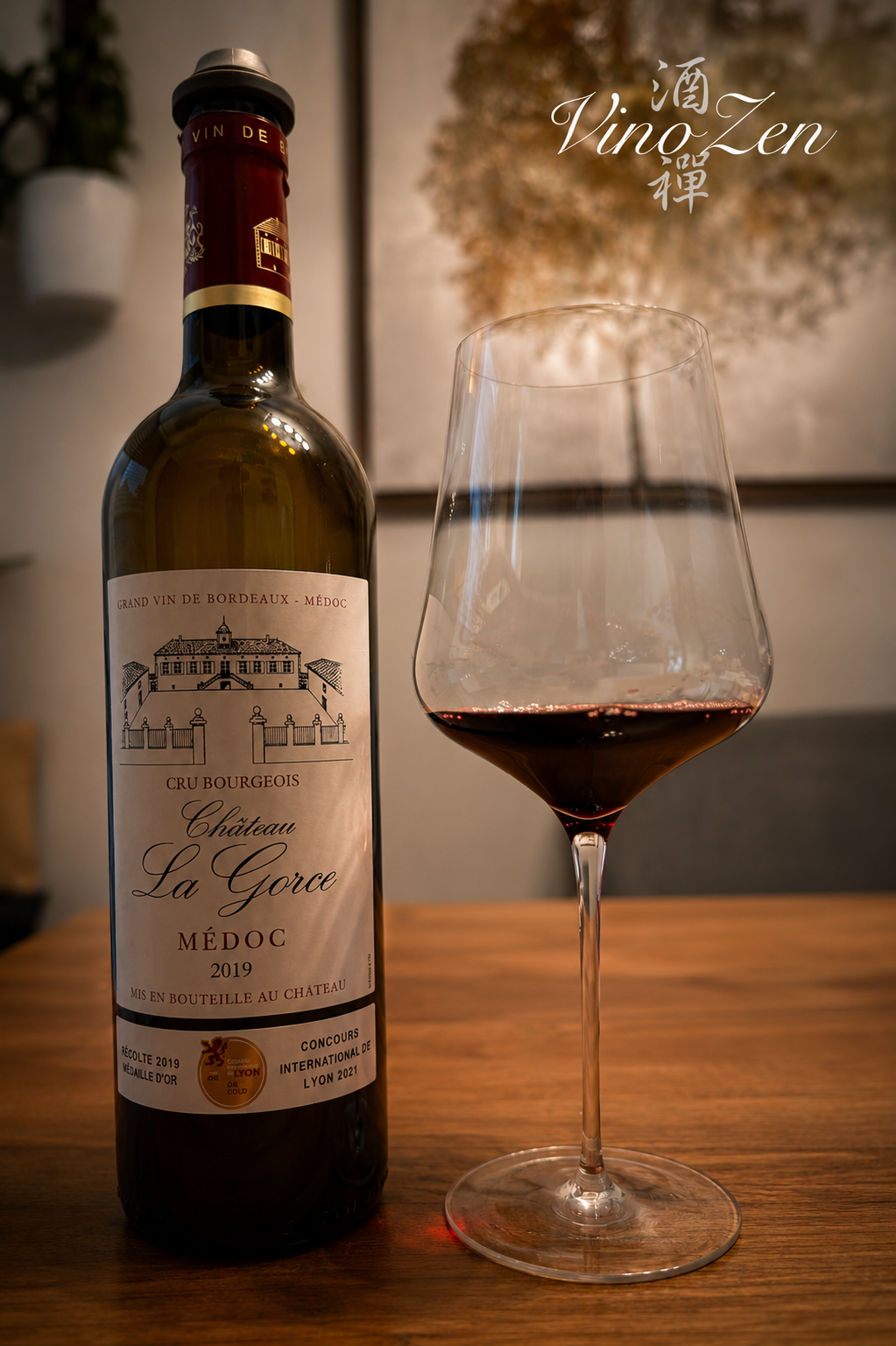
It had been a while since I’d sat down with a Bordeaux at this level, and it reminded me of one of wine’s simpler pleasures—one we often leave behind as we chase greater quality, greater complexity, and ever more extraordinary bottles.
The 2019 Château La Gorce isn’t a wine that constantly transforms in the glass. Its character is largely steady: a quiet core of blackberry, black cherry, blackcurrant, and a touch of prune, layered with vanilla pod, nutmeg, mint, cedar, black tea, and earth. The aromas gently radiate rather than evolve dramatically. Medium tannins sit somewhere between dusty and velvety, supported by fresh medium-plus acidity, a medium-plus body, and a satisfying medium-plus finish.
I’d call it a good wine.
Not because it surprised me.
Because it knew exactly what it wanted to be.
What struck me most wasn’t its quality—it was its character. There was a clear identity running through every sip. Everything pointed in the same direction. Nothing felt forced, exaggerated, or manufactured. It simply tasted unapologetically like Médoc.
And every now and then, it moved just enough to remind you it was alive.
Ironically, it left a stronger impression than some technically better wines.
Sadly, this isn’t a Bordeaux punching above its weight. It’s priced almost exactly where it belongs.
And perhaps that’s the sad part.
There was a time when a classic, good-quality Cru Bourgeois Bordeaux was a $15 bottle. Today, it’s closer to $27.
Think about that.
Perhaps “bang for the buck” in Bordeaux no longer means finding a wine that overdelivers. Perhaps it simply means finding one that’s honestly priced.
Even Mouton Cadet reminds me of this. It still tastes like the sort of Bordeaux I’d expect to buy for around fifteen dollars. The wine hasn’t necessarily changed that much. The market has.
In a world where we’re constantly searching for bottles that “drink above their price,” we’ve almost convinced ourselves that value only exists when expectations are exceeded. We celebrate overachievers and quietly overlook wines that simply deliver exactly what they promise.
Yet there is something deeply satisfying about a bottle that asks a fair price and gives you precisely what that price should buy.
No inflated prestige.
No marketing mythology.
No desperate attempt to imitate a First Growth.
Just honest Bordeaux.
As we become more experienced, it’s easy to develop a habit of chasing ever greater concentration, complexity, rarity, and prestige. We search for wines that unfold endlessly, reveal countless aromatic layers, or challenge our understanding of what wine can be.
Those wines deserve their place.
But every now and then, it’s worth returning to something simpler—not because it’s better, but because it reminds us why we fell in love with Bordeaux in the first place.
Sometimes, character leaves a stronger impression than complexity.
A wine doesn’t need to punch above its weight.
It simply needs to stand confidently within it.
Perhaps that’s one of wine’s quieter lessons. Not every memorable bottle has to be profound. Some simply remind us that honest craftsmanship, regional identity, and balance still have a place in a world increasingly obsessed with finding the next extraordinary thing.
Maybe we’ve been chasing greatness for so long that we’ve forgotten to appreciate wines that are simply, quietly, exactly as they should be.
Perhaps that’s the Bordeaux we forgot.